%2Ffit-in%2F250x250%2Fguide_websites%2F54531%2Fimages%2F1756876310357b266616d-4e1e-48c1-bd8e-6fdadaf0c305.png&w=1920&q=100)
/users/7b6c8e22-aab5-4589-842a-fb6c4f64f3de/ratecard/sharkfishing.jpeg-mmxbyvni.png)
%2F300x300%2Fusers%2F7b6c8e22-aab5-4589-842a-fb6c4f64f3de%2Fratecard%2Fsharkfishing.jpeg-mmxbyvni.png&w=256&q=75)
%2F300x300%2Fusers%2F7b6c8e22-aab5-4589-842a-fb6c4f64f3de%2Fimages%2Fsuccessful-fishing-trip-florida-2584.jpg&w=256&q=75)
%2F300x300%2Fusers%2F7b6c8e22-aab5-4589-842a-fb6c4f64f3de%2Fimages%2Fblacktip-shark-caught-miami-beach-2631.jpg&w=256&q=75)
%2F300x300%2Fusers%2F7b6c8e22-aab5-4589-842a-fb6c4f64f3de%2Fimages%2Ffishing-miami-beach-2514.jpg&w=256&q=75)
%2F300x300%2Fusers%2F7b6c8e22-aab5-4589-842a-fb6c4f64f3de%2Fimages%2Fthrilling-fishing-excursion-in-fl-2664.jpg&w=256&q=75)
%2F300x300%2Fusers%2F7b6c8e22-aab5-4589-842a-fb6c4f64f3de%2Fimages%2Ffishing-adventure-florida-2548.jpg&w=256&q=75)
%2F300x300%2Fusers%2F7b6c8e22-aab5-4589-842a-fb6c4f64f3de%2Fimages%2Ffishing-fun-miami-beach-2450.jpg&w=256&q=75)
%2F300x300%2Fusers%2F7b6c8e22-aab5-4589-842a-fb6c4f64f3de%2Fimages%2Ffishing-crew-miami-beach-2498.jpg&w=256&q=75)
%2F300x300%2Fusers%2F7b6c8e22-aab5-4589-842a-fb6c4f64f3de%2Fimages%2Fatlantic-sharpnose-shark-miami-beach-2595.jpg&w=256&q=75)
%2F300x300%2Fusers%2F7b6c8e22-aab5-4589-842a-fb6c4f64f3de%2Fimages%2Fangler-florida-fishing-triumph-2806.jpg&w=256&q=75)
%2F300x300%2Fusers%2F7b6c8e22-aab5-4589-842a-fb6c4f64f3de%2Fimages%2Fsandbar-shark-miami-beach-2597.jpg&w=256&q=75)
Expert-Guided Shark Fishing in Miami Beach

 Miami Beach, FL, USA
What you will be catching:
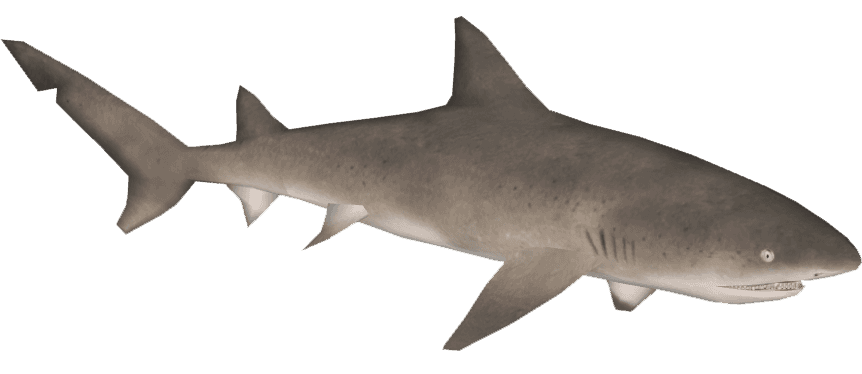
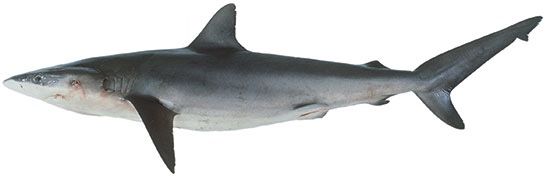 Bull Shark
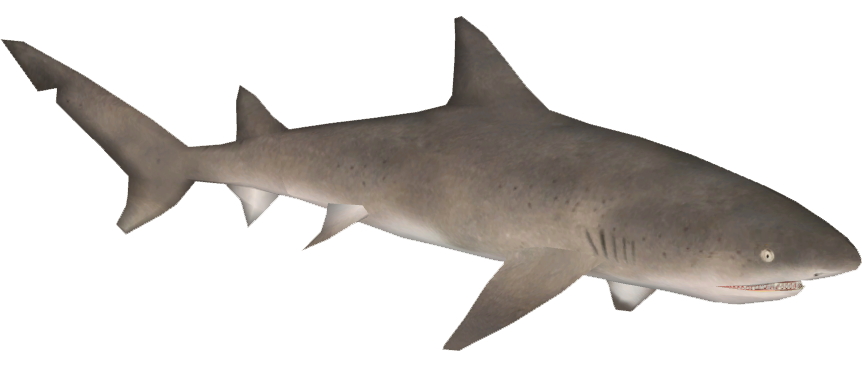 Lemon Shark
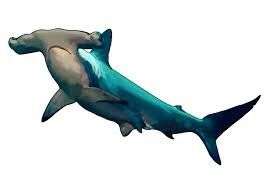
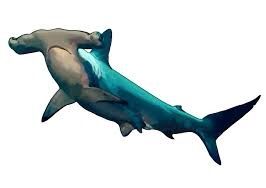 Scalloped Hammerhead
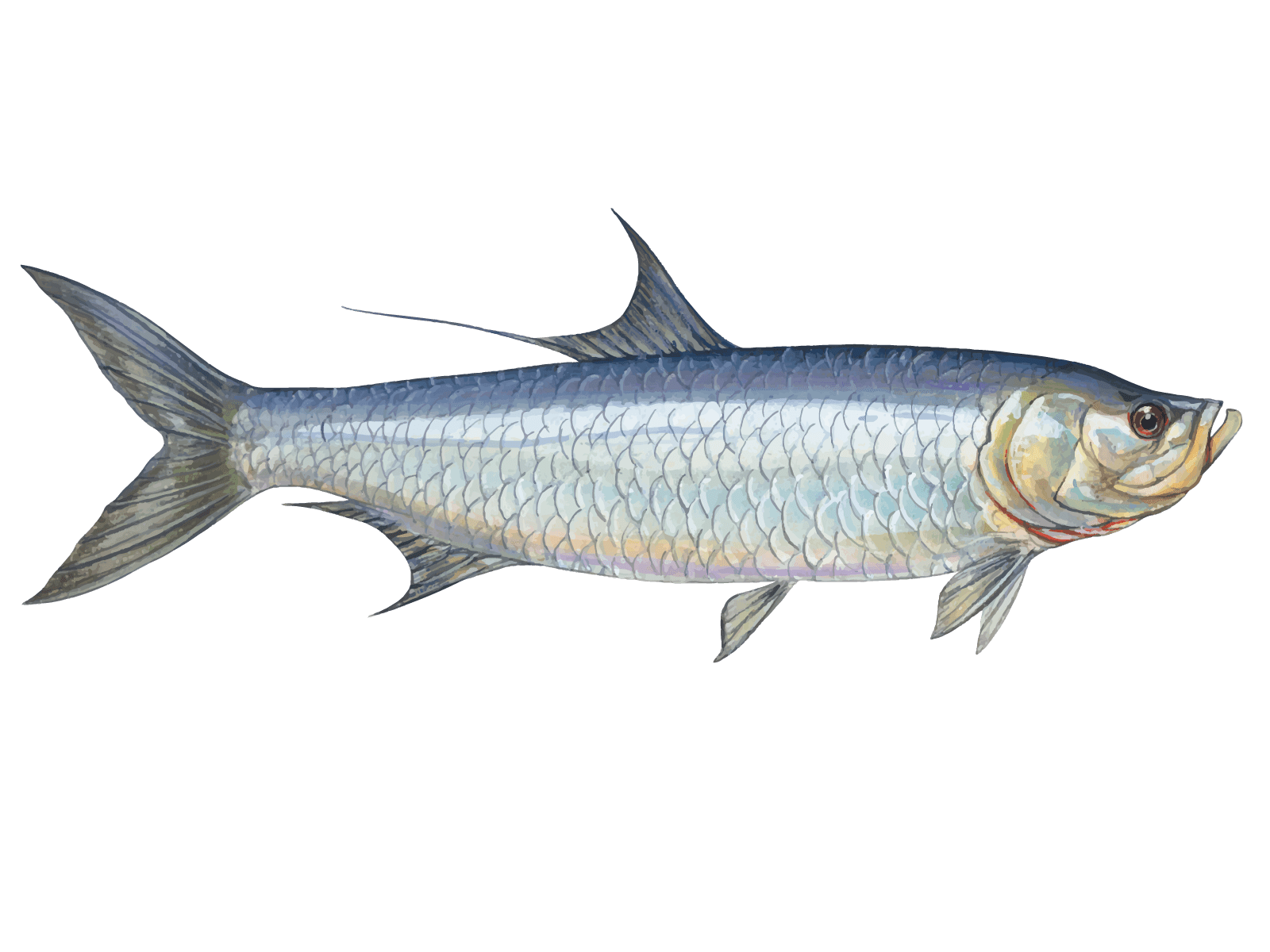
 Tarpon
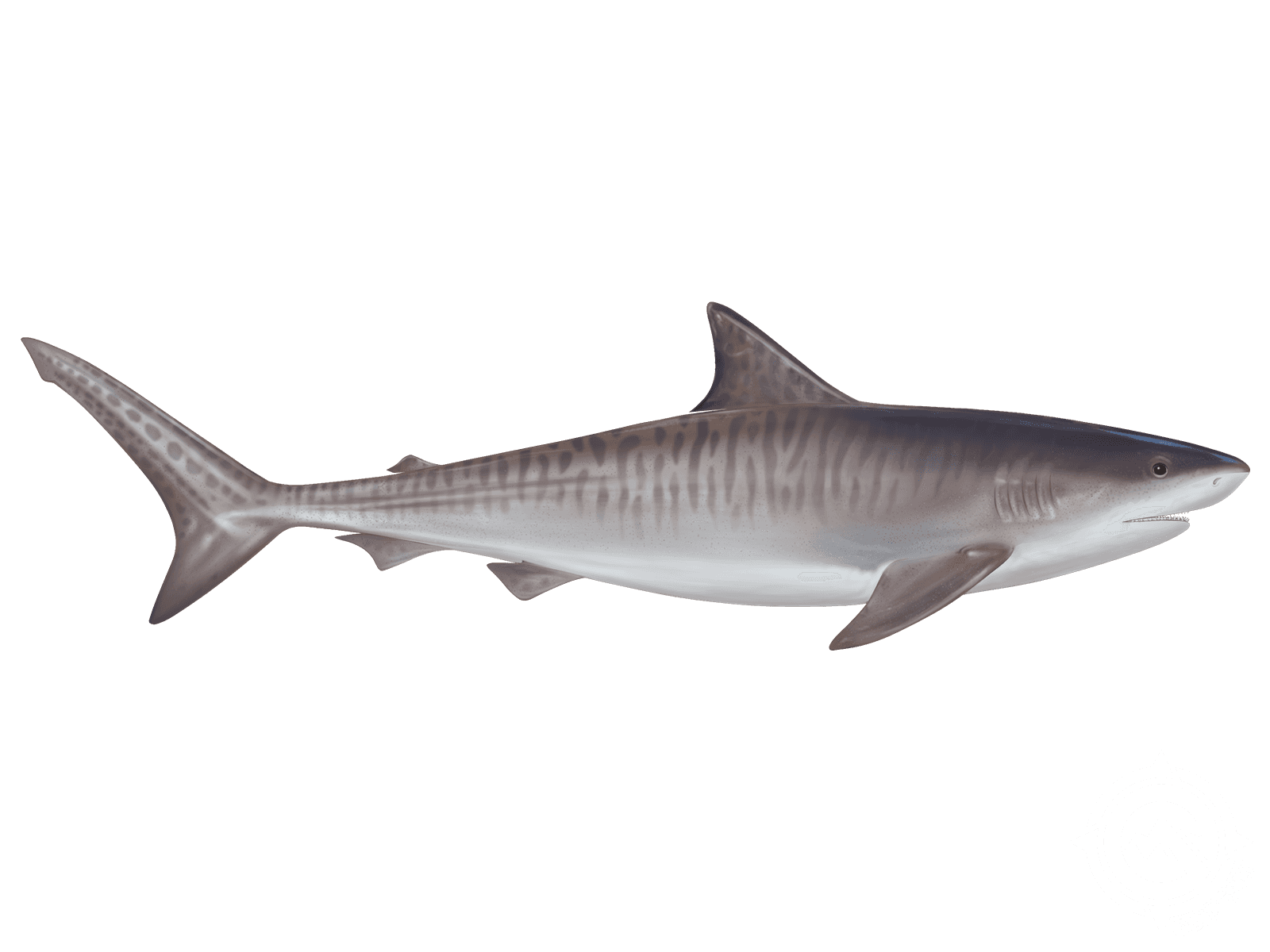
 Tiger Shark
- Join Captain Jack and the Shark Boys for Miami Beach's most intense shore fishing experience. Using drone technology, we deliver bait straight into shark territory with surgical precision, targeting monster sharks, tarpon, snook, and goliath grouper. This isn't your typical fishing trip
- we accommodate up to 10 people, making it perfect for bachelor parties or families wanting something completely different. You'll explore secret nearshore spots only locals know, using top-tier gear provided. Some walking is involved, so wear good shoes. Kids love this adventure too. All equipment, bait, and tackle included
- no license needed. Meet at Washington Avenue and get ready to battle legends in the water.
Trip Pricing and Availabilities:
Miami Beach Shark Zone Drone Deploy Group Trip
This isn't your typical day at the beach. When Captain Jack and the Shark Boys fire up that drone and start deploying bait with surgical precision into shark territory, you know you're in for something special. Our shore-based shark fishing adventure right off Miami Beach brings the big boys within casting distance, and trust me, when you hook into one of these apex predators from the sand, it's a whole different ballgame than boat fishing. We can handle up to 10 anglers, making this perfect for bachelor parties, family reunions, or just a crew of friends looking to tick "catch a shark" off their bucket list.
What to Expect on the Shore
Forget everything you think you know about shore fishing. We're talking high-tech drone deployment that puts fresh bait exactly where the sharks are cruising - those nearshore channels and drop-offs that most people can't even reach from the beach. You'll be fishing with top-tier rods and reels that can handle the serious torque these fish put out, and Jack knows every honey hole along this stretch of Miami Beach coastline. The whole setup is mobile, so we might do some walking to hit the best spots based on conditions that day. Nothing crazy, but wear decent shoes - sneakers or Crocs work great. Kids absolutely love this experience, and there's something magical about watching them unplug from their devices and get genuinely excited about what's on the end of that line.
Drone Tech Meets Old School
Here's where we separate ourselves from the weekend warriors casting shrimp from the pier. Our drone system lets us drop baits 300-400 yards out where the big sharks patrol, way beyond what you can reach with even the best surf casting setup. We're using circle hooks and heavy leaders designed specifically for these toothy predators, and the rods are built to handle fish that can easily hit triple digits in weight. The technique is all about patience and precision - once that bait's out there and the drone's back, it's time to settle in and wait for that screaming run that'll test both your drag system and your nerves. All the gear is included, plus you don't need a fishing license for this trip, so you can focus on the fight instead of the paperwork.
Customer Stories
"Enrico thank you so much. I'm glad we were able to get you on one of your dream species a shark straight out of Miami Beach. Hope to see you again until then tight lines." - Enrico
Species You'll Want to Hook
Scalloped Hammerheads are the crown jewel of our nearshore shark fishing, and Miami Beach is one of the few places where you can target them from the sand. These distinctive predators with their flattened, extended heads cruise the deeper channels looking for stingrays and smaller fish. They typically range from 4-8 feet in our waters, and when one hits your bait, that initial run is absolutely explosive. Best action usually happens during the cooler months from November through March when they're more active in the shallows.
Tarpon aren't technically sharks, but they fight like silver bullets and are just as exciting to hook from shore. These "silver kings" can reach 6 feet and over 200 pounds in our waters, and they're famous for their acrobatic jumps that'll have everyone on the beach stopping to watch. Peak season runs May through September, and Miami Beach's warm waters and abundant baitfish make it prime tarpon habitat. When you hook one, get ready for a show - they'll jump, tail-walk, and test every ounce of your tackle.
Tiger Sharks are the apex predators that really get people's hearts racing. These massive, aggressive hunters can exceed 12 feet and are known for eating just about anything that moves. Their distinctive dark stripes and broad heads make them unmistakable, and their powerful jaws can crush turtle shells and shark cages alike. They're more active during warmer months and often come into surprisingly shallow water at night, making them perfect targets for our drone deployment system.
Lemon Sharks are the perfect species for first-time shark anglers - they're aggressive enough to provide great action but manageable enough that kids and beginners can successfully fight them. These yellow-tinted sharks typically run 5-7 feet in our area and are incredibly common off Miami Beach year-round. They're curious and willing to take a variety of baits, making them reliable targets when other species are being finicky.
Bull Sharks earn their name honestly - they're thick, powerful, and absolutely relentless when hooked. These apex predators can handle both saltwater and freshwater, so they're comfortable right in Miami's nearshore waters where we fish. They're built like underwater bulldozers and known for their aggressive nature and powerful bite force. When you hook a bull shark from shore, you're in for a serious test of strength and endurance that can last 30 minutes or more.
Time to Book Your Spot
Look, there are plenty of fishing charters in Miami, but none of them can put you on sharks from the beach using cutting-edge drone technology. This is your chance to experience something completely different while still staying on solid ground. Whether you're planning a bachelor party that needs something more exciting than another boat trip, or you've got kids who want to catch their first shark, this is the adventure that'll have everyone talking for years. Captain Jack and the Shark Boys know these waters better than anyone, and when you combine that local knowledge with our high-tech approach, you're setting yourself up for the kind of fishing story that people actually believe. Don't wait - spots fill up fast, especially during peak shark season.
Customer Reviews
Total Charter Disaster

Joe Schiavi Joe Schiavi
January 7, 2026
Completely Unorganized
Billed as a trip from Miami Beach, was asked on the day of the trip to drive 1.5 hours to Palm Beach. Not organized. Upon arrival (1.5 hour drive) was told we may get kicked off of the beach and we should probably move. With all of the equipment and set up, moving would take 1 hr +. Not buttoned up or organized and wasted an evening with these guys. I have booked over 50 charters. Catching isnt always a prerequisit for a good trip. Even if we did catch on this trip, would not recommend.
Joe Schiavi Joe Schiavi
January 7, 2026
Wasted Evening Trip
Billed as a trip from Miami Beach, was asked on the day of the trip to drive 1.5 hours to Palm Beach. Not organized. Upon arrival (1.5 hour drive) was told we may get kicked off of the beach and we should probably move. With all of the equipment and set up, moving would take 1 hr +. Not buttoned up or organized and wasted an evening with these guys. I have booked over 50 charters. Catching isnt always a prerequisit for a good trip. Even if we did catch on this trip, would not recommend.
Joe Schiavi Joe Schiavi
January 7, 2026
Avoid These Guys
Billed as a trip from Miami Beach, was asked on the day of the trip to drive 1.5 hours to Palm Beach. Not organized. Upon arrival (1.5 hour drive) was told we may get kicked off of the beach and we should probably move. With all of the equipment and set up, moving would take 1 hr +. Not buttoned up or organized and wasted an evening with these guys. I have booked over 50 charters. Catching isnt always a prerequisit for a good trip. Even if we did catch on this trip, would not recommend.
Joe Schiavi Joe Schiavi
January 7, 2026
Not Recommended
Billed as a trip from Miami Beach, was asked on the day of the trip to drive 1.5 hours to Palm Beach. Not organized. Upon arrival (1.5 hour drive) was told we may get kicked off of the beach and we should probably move. With all of the equipment and set up, moving would take 1 hr +. Not buttoned up or organized and wasted an evening with these guys. I have booked over 50 charters. Catching isnt always a prerequisit for a good trip. Even if we did catch on this trip, would not recommend.
Joe Schiavi Joe Schiavi
January 7, 2026
Poor Planning Skills
Billed as a trip from Miami Beach, was asked on the day of the trip to drive 1.5 hours to Palm Beach. Not organized. Upon arrival (1.5 hour drive) was told we may get kicked off of the beach and we should probably move. With all of the equipment and set up, moving would take 1 hr +. Not buttoned up or organized and wasted an evening with these guys. I have booked over 50 charters. Catching isnt always a prerequisit for a good trip. Even if we did catch on this trip, would not recommend.
Joe Schiavi Joe Schiavi
January 7, 2026
Chaotic Experience
Billed as a trip from Miami Beach, was asked on the day of the trip to drive 1.5 hours to Palm Beach. Not organized. Upon arrival (1.5 hour drive) was told we may get kicked off of the beach and we should probably move. With all of the equipment and set up, moving would take 1 hr +. Not buttoned up or organized and wasted an evening with these guys. I have booked over 50 charters. Catching isnt always a prerequisit for a good trip. Even if we did catch on this trip, would not recommend.
Joe Schiavi Joe Schiavi
January 7, 2026
Disorganized Mess
Billed as a trip from Miami Beach, was asked on the day of the trip to drive 1.5 hours to Palm Beach. Not organized. Upon arrival (1.5 hour drive) was told we may get kicked off of the beach and we should probably move. With all of the equipment and set up, moving would take 1 hr +. Not buttoned up or organized and wasted an evening with these guys. I have booked over 50 charters. Catching isnt always a prerequisit for a good trip. Even if we did catch on this trip, would not recommend.
Joe Schiavi Joe Schiavi
January 7, 2026
Skip This Charter
Billed as a trip from Miami Beach, was asked on the day of the trip to drive 1.5 hours to Palm Beach. Not organized. Upon arrival (1.5 hour drive) was told we may get kicked off of the beach and we should probably move. With all of the equipment and set up, moving would take 1 hr +. Not buttoned up or organized and wasted an evening with these guys. I have booked over 50 charters. Catching isnt always a prerequisite for a good trip. Even if we did catch on this trip, would not recommend.
Joe Schiavi Joe Schiavi
January 7, 2026
Unprofessional Setup
Billed as a trip from Miami Beach, was asked on the day of the trip to drive 1.5 hours to Palm Beach. Not organized. Upon arrival (1.5 hour drive) was told we may get kicked off of the beach and we should probably move. With all of the equipment and set up, moving would take 1 hr +. Not buttoned up or organized and wasted an evening with these guys. I have booked over 50 charters. Catching isnt always a prerequisite for a good trip. Even if we did catch on this trip, would not recommend.
Joe Schiavi Joe Schiavi
January 7, 2026
Terrible Service
Billed as a trip from Miami Beach, was asked on the day of the trip to drive 1.5 hours to Palm Beach. Not organized. Upon arrival (1.5 hour drive) was told we may get kicked off of the beach and we should probably move. With all of the equipment and set up, moving would take 1 hr +. Not buttoned up or organized and wasted an evening with these guys. I have booked over 50 charters. Catching isnt always a prerequisite for a good trip. Even if we did catch on this trip, would not recommend.
Joe Schiavi Joe Schiavi
January 7, 2026
Big Disappointment
Billed as a trip from Miami Beach, was asked on the day of the trip to drive 1.5 hours to Palm Beach. Not organized. Upon arrival (1.5 hour drive) was told we may get kicked off of the beach and we should probably move. With all of the equipment and set up, moving would take 1 hr +. Not buttoned up or organized and wasted an evening with these guys. I have booked over 50 charters. Catching isnt always a prerequisite for a good trip. Even if we did catch on this trip, would not recommend.
Joe Schiavi Joe Schiavi
January 7, 2026
Poorly Managed Trip
Billed as a trip from Miami Beach, was asked on the day of the trip to drive 1.5 hours to Palm Beach. Not organized. Upon arrival (1.5 hour drive) was told we may get kicked off of the beach and we should probably move. With all of the equipment and set up, moving would take 1 hr +. Not buttoned up or organized and wasted an evening with these guys. I have booked over 50 charters. Catching isnt always a prerequisit for a good trip. Even if we did catch on this trip, would not recommend.
Joe Schiavi Joe Schiavi
January 7, 2026
Waste of Time
Billed as a trip from Miami Beach, was asked on the day of the trip to drive 1.5 hours to Palm Beach. Not organized. Upon arrival (1.5 hour drive) was told we may get kicked off of the beach and we should probably move. With all of the equipment and set up, moving would take 1 hr +. Not buttoned up or organized and wasted an evening with these guys. I have booked over 50 charters. Catching isnt always a prerequisite for a good trip. Even if we did catch on this trip, would not recommend.
Joe Schiavi Joe Schiavi
January 7, 2026
Badly Run Charter
Billed as a trip from Miami Beach, was asked on the day of the trip to drive 1.5 hours to Palm Beach. Not organized. Upon arrival (1.5 hour drive) was told we may get kicked off of the beach and we should probably move. With all of the equipment and set up, moving would take 1 hr +. Not buttoned up or organized and wasted an evening with these guys. I have booked over 50 charters. Catching isnt always a prerequisite for a good trip. Even if we did catch on this trip, would not recommend.
Joe Schiavi Joe Schiavi
January 7, 2026
Dream Shark Catch
Enrico thank you so much. I’m glad we were able to get you on one of your dream species a shark straight out of Miami Beach. Hope to see you again until then tight lines.
Enrico Violante
August 6, 2025
Avoid at All Costs
Billed as a trip from Miami Beach, was asked on the day of the trip to drive 1.5 hours to Palm Beach. Not organized. Upon arrival (1.5 hour drive) was told we may get kicked off of the beach and we should probably move. With all of the equipment and set up, moving would take 1 hr +. Not buttoned up or organized and wasted an evening with these guys. I have booked over 50 charters. Catching isnt always a prerequisit for a good trip. Even if we did catch on this trip, would not recommend.
Joe Schiavi Joe Schiavi
January 7, 2026
Unorganized Chaos
Billed as a trip from Miami Beach, was asked on the day of the trip to drive 1.5 hours to Palm Beach. Not organized. Upon arrival (1.5 hour drive) was told we may get kicked off of the beach and we should probably move. With all of the equipment and set up, moving would take 1 hr +. Not buttoned up or organized and wasted an evening with these guys. I have booked over 50 charters. Catching isnt always a prerequisit for a good trip. Even if we did catch on this trip, would not recommend.
Joe Schiavi Joe Schiavi
January 7, 2026
Poor Experience
Billed as a trip from Miami Beach, was asked on the day of the trip to drive 1.5 hours to Palm Beach. Not organized. Upon arrival (1.5 hour drive) was told we may get kicked off of the beach and we should probably move. With all of the equipment and set up, moving would take 1 hr +. Not buttoned up or organized and wasted an evening with these guys. I have booked over 50 charters. Catching isnt always a prerequisit for a good trip. Even if we did catch on this trip, would not recommend.
Joe Schiavi Joe Schiavi
January 7, 2026
Terrible Planning
Billed as a trip from Miami Beach, was asked on the day of the trip to drive 1.5 hours to Palm Beach. Not organized. Upon arrival (1.5 hour drive) was told we may get kicked off of the beach and we should probably move. With all of the equipment and set up, moving would take 1 hr +. Not buttoned up or organized and wasted an evening with these guys. I have booked over 50 charters. Catching isnt always a prerequisite for a good trip. Even if we did catch on this trip, would not recommend.
Joe Schiavi Joe Schiavi
January 7, 2026
Disappointing Trip
Billed as a trip from Miami Beach, was asked on the day of the trip to drive 1.5 hours to Palm Beach. Not organized. Upon arrival (1.5 hour drive) was told we may get kicked off of the beach and we should probably move. With all of the equipment and set up, moving would take 1 hr +. Not buttoned up or organized and wasted an evening with these guys. I have booked over 50 charters. Catching isnt always a prerequisite for a good trip. Even if we did catch on this trip, would not recommend.
Joe Schiavi Joe Schiavi
January 7, 2026
Waste Your Evening
Billed as a trip from Miami Beach, was asked on the day of the trip to drive 1.5 hours to Palm Beach. Not organized. Upon arrival (1.5 hour drive) was told we may get kicked off of the beach and we should probably move. With all of the equipment and set up, moving would take 1 hr +. Not buttoned up or organized and wasted an evening with these guys. I have booked over 50 charters. Catching isnt always a prerequisite for a good trip. Even if we did catch on this trip, would not recommend.
Joe Schiavi Joe Schiavi
January 7, 2026
Badly Organized
Billed as a trip from Miami Beach, was asked on the day of the trip to drive 1.5 hours to Palm Beach. Not organized. Upon arrival (1.5 hour drive) was told we may get kicked off of the beach and we should probably move. With all of the equipment and set up, moving would take 1 hr +. Not buttoned up or organized and wasted an evening with these guys. I have booked over 50 charters. Catching isnt always a prerequisit for a good trip. Even if we did catch on this trip, would not recommend.
Joe Schiavi Joe Schiavi
January 7, 2026
Poor Service Trip
Billed as a trip from Miami Beach, was asked on the day of the trip to drive 1.5 hours to Palm Beach. Not organized. Upon arrival (1.5 hour drive) was told we may get kicked off of the beach and we should probably move. With all of the equipment and set up, moving would take 1 hr +. Not buttoned up or organized and wasted an evening with these guys. I have booked over 50 charters. Catching isnt always a prerequisit for a good trip. Even if we did catch on this trip, would not recommend.
Joe Schiavi Joe Schiavi
January 7, 2026
Terrible Charter
Billed as a trip from Miami Beach, was asked on the day of the trip to drive 1.5 hours to Palm Beach. Not organized. Upon arrival (1.5 hour drive) was told we may get kicked off of the beach and we should probably move. With all of the equipment and set up, moving would take 1 hr +. Not buttoned up or organized and wasted an evening with these guys. I have booked over 50 charters. Catching isnt always a prerequisit for a good trip. Even if we did catch on this trip, would not recommend.
Joe Schiavi Joe Schiavi
January 7, 2026
Disappointing Day
Billed as a trip from Miami Beach, was asked on the day of the trip to drive 1.5 hours to Palm Beach. Not organized. Upon arrival (1.5 hour drive) was told we may get kicked off of the beach and we should probably move. With all of the equipment and set up, moving would take 1 hr +. Not buttoned up or organized and wasted an evening with these guys. I have booked over 50 charters. Catching isnt always a prerequisit for a good trip. Even if we did catch on this trip, would not recommend.
Joe Schiavi Joe Schiavi
January 7, 2026
Avoid This Company
Billed as a trip from Miami Beach, was asked on the day of the trip to drive 1.5 hours to Palm Beach. Not organized. Upon arrival (1.5 hour drive) was told we may get kicked off of the beach and we should probably move. With all of the equipment and set up, moving would take 1 hr +. Not buttoned up or organized and wasted an evening with these guys. I have booked over 50 charters. Catching isnt always a prerequisite for a good trip. Even if we did catch on this trip, would not recommend.
Joe Schiavi Joe Schiavi
January 7, 2026
Poorly Run Trip
Billed as a trip from Miami Beach, was asked on the day of the trip to drive 1.5 hours to Palm Beach. Not organized. Upon arrival (1.5 hour drive) was told we may get kicked off of the beach and we should probably move. With all of the equipment and set up, moving would take 1 hr +. Not buttoned up or organized and wasted an evening with these guys. I have booked over 50 charters. Catching isnt always a prerequisite for a good trip. Even if we did catch on this trip, would not recommend.
Joe Schiavi Joe Schiavi
January 7, 2026
Bad Experience
Billed as a trip from Miami Beach, was asked on the day of the trip to drive 1.5 hours to Palm Beach. Not organized. Upon arrival (1.5 hour drive) was told we may get kicked off of the beach and we should probably move. With all of the equipment and set up, moving would take 1 hr +. Not buttoned up or organized and wasted an evening with these guys. I have booked over 50 charters. Catching isnt always a prerequisit for a good trip. Even if we did catch on this trip, would not recommend.
Joe Schiavi Joe Schiavi
January 7, 2026
Terrible Organization
Billed as a trip from Miami Beach, was asked on the day of the trip to drive 1.5 hours to Palm Beach. Not organized. Upon arrival (1.5 hour drive) was told we may get kicked off of the beach and we should probably move. With all of the equipment and set up, moving would take 1 hr +. Not buttoned up or organized and wasted an evening with these guys. I have booked over 50 charters. Catching isnt always a prerequisite for a good trip. Even if we did catch on this trip, would not recommend.
Joe Schiavi Joe Schiavi
January 7, 2026
Waste of Money
Billed as a trip from Miami Beach, was asked on the day of the trip to drive 1.5 hours to Palm Beach. Not organized. Upon arrival (1.5 hour drive) was told we may get kicked off of the beach and we should probably move. With all of the equipment and set up, moving would take 1 hr +. Not buttoned up or organized and wasted an evening with these guys. I have booked over 50 charters. Catching isnt always a prerequisite for a good trip. Even if we did catch on this trip, would not recommend.
Joe Schiavi Joe Schiavi
January 7, 2026
Poor Management
Billed as a trip from Miami Beach, was asked on the day of the trip to drive 1.5 hours to Palm Beach. Not organized. Upon arrival (1.5 hour drive) was told we may get kicked off of the beach and we should probably move. With all of the equipment and set up, moving would take 1 hr +. Not buttoned up or organized and wasted an evening with these guys. I have booked over 50 charters. Catching isnt always a prerequisite for a good trip. Even if we did catch on this trip, would not recommend.
Joe Schiavi Joe Schiavi
January 7, 2026
Badly Planned Trip
Billed as a trip from Miami Beach, was asked on the day of the trip to drive 1.5 hours to Palm Beach. Not organized. Upon arrival (1.5 hour drive) was told we may get kicked off of the beach and we should probably move. With all of the equipment and set up, moving would take 1 hr +. Not buttoned up or organized and wasted an evening with these guys. I have booked over 50 charters. Catching isnt always a prerequisite for a good trip. Even if we did catch on this trip, would not recommend.
Joe Schiavi Joe Schiavi
January 7, 2026
Avoid These Charters
Billed as a trip from Miami Beach, was asked on the day of the trip to drive 1.5 hours to Palm Beach. Not organized. Upon arrival (1.5 hour drive) was told we may get kicked off of the beach and we should probably move. With all of the equipment and set up, moving would take 1 hr +. Not buttoned up or organized and wasted an evening with these guys. I have booked over 50 charters. Catching isnt always a prerequisit for a good trip. Even if we did catch on this trip, would not recommend.
Joe Schiavi Joe Schiavi
January 7, 2026
Disorganized Company
Billed as a trip from Miami Beach, was asked on the day of the trip to drive 1.5 hours to Palm Beach. Not organized. Upon arrival (1.5 hour drive) was told we may get kicked off of the beach and we should probably move. With all of the equipment and set up, moving would take 1 hr +. Not buttoned up or organized and wasted an evening with these guys. I have booked over 50 charters. Catching isnt always a prerequisit for a good trip. Even if we did catch on this trip, would not recommend.
Joe Schiavi Joe Schiavi
January 7, 2026
Learn more about the animals
Bull Shark
Bull sharks earn their reputation as the toughest customers in Miami waters. These thick-bodied bruisers run 8-12 feet and 200-300 pounds of pure muscle and attitude. What's wild about bulls is they'll cruise anywhere - deep channels, shallow flats, even up into brackish canals and rivers. You'll find them in 10-100 feet year-round, but summer brings the best action when they're most active. Bulls are aggressive feeders and incredible fighters - they'll make powerful runs and never quit. People target them for the challenge and bragging rights since the fight is absolutely brutal. The unique thing about bulls is their ability to handle fresh and saltwater, so they show up in unexpected spots. My secret weapon: fresh eel works better than anything else. Its high oil content and tough skin drives them crazy, and it stays on the hook through smaller fish picking at it.
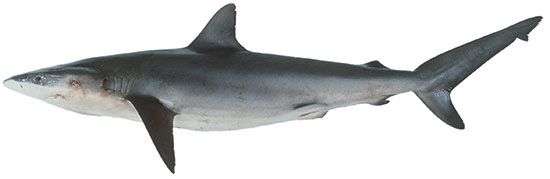
Lemon Shark
Lemon sharks are Miami Beach regulars with that unmistakable yellow-bronze coloring that gives them their name. These medium-sized sharks typically measure 8-10 feet and weigh 200-300 pounds when mature. You'll spot them in shallow coastal waters, around mangroves, and over sandy flats in 15-60 feet. They love warm water and stick close to shore year-round, but late spring through summer offers the best action. What makes lemons fun to target is their curious nature and solid fight - they're not as crazy aggressive as bulls but will give you a good battle. They're also pretty predictable once you learn their patterns. The meat's decent if you're keeping one, though most folks release them. Pro tip: use live pinfish or cut mullet near structure during moving tides. Lemons are sight feeders, so cleaner water gives you better odds of hooking up.
Scalloped Hammerhead
The scalloped hammerhead gets its name from that distinctive scalloped edge on its famous "hammer" head. These sharks typically run 6-8 feet and around 60-180 pounds, with females getting much bigger. You'll find them cruising Miami's nearshore waters during the day, then heading offshore to hunt at night. They love depths from 20-200 feet around structure and drop-offs. Spring through early fall gives you the best shot when water temps are warm. What makes these sharks special is their shy nature - they're actually pretty timid despite that intimidating look. Their wide-set eyes and electroreceptors make them incredible hunters, especially for stingrays buried in sand. The fight is solid but not crazy aggressive. Pro tip: fish dawn or dusk transitions when they're moving between day and night spots, and use fresh cut bait on the bottom near ledges.
Tarpon
Tarpon are the silver kings of Miami waters, and for good reason. These prehistoric giants average 4-6 feet and 80-150 pounds, but the big mommas can hit 200+ pounds and make you question your life choices. They hang in shallow bays, around bridges, and along the flats in 10-40 feet of water. Peak season runs May through September when they migrate through our area following warm water and baitfish. What gets people hooked is watching a 100-pound fish launch 8 feet out of the water - pure chaos. They'll jump, run, and test every knot you tied. Most folks release them since they're tough eating and slow growing. The meat's bony and oily anyway. My go-to trick: use live pinfish or crabs on a circle hook, and when they jump, bow to the fish - drop that rod tip fast or they'll throw the hook every time.
Tiger Shark
Tiger sharks are the apex predators that put the "monster" in our shark adventures. These beasts average 11-14 feet and 800-1400 pounds, with the big females pushing 16+ feet and over a ton. They roam Miami's deeper waters from 50-300 feet, following warm currents and hunting solo. You'll find them around reefs, drop-offs, and anywhere baitfish congregate. Summer through early fall is prime time when water temps peak and they move closer to shore. What makes tigers special is their power - they're slower swimmers but when they turn on the afterburners, holy smokes. Those distinctive stripes fade as they age, and they'll eat literally anything. The fight is raw strength that'll test your gear and stamina. Here's the secret: fresh tuna or mackerel chunks work best, and fish them on heavy tackle during tide changes when they're most active.

Billed as a trip from Miami Beach, was asked on the day of the trip to drive 1.5 hours to Palm Beach. Not organized. Upon arrival (1.5 hour drive) was told we may get kicked off of the beach and we should probably move. With all of the equipment and set up, moving would take 1 hr +. Not buttoned up or organized and wasted an evening with these guys. I have booked over 50 charters. Catching isnt always a prerequisit for a good trip. Even if we did catch on this trip, would not recommend.